Bardia National Park Weather Guide 2026: Best Time to Visit Nepal’s Tiger Paradise

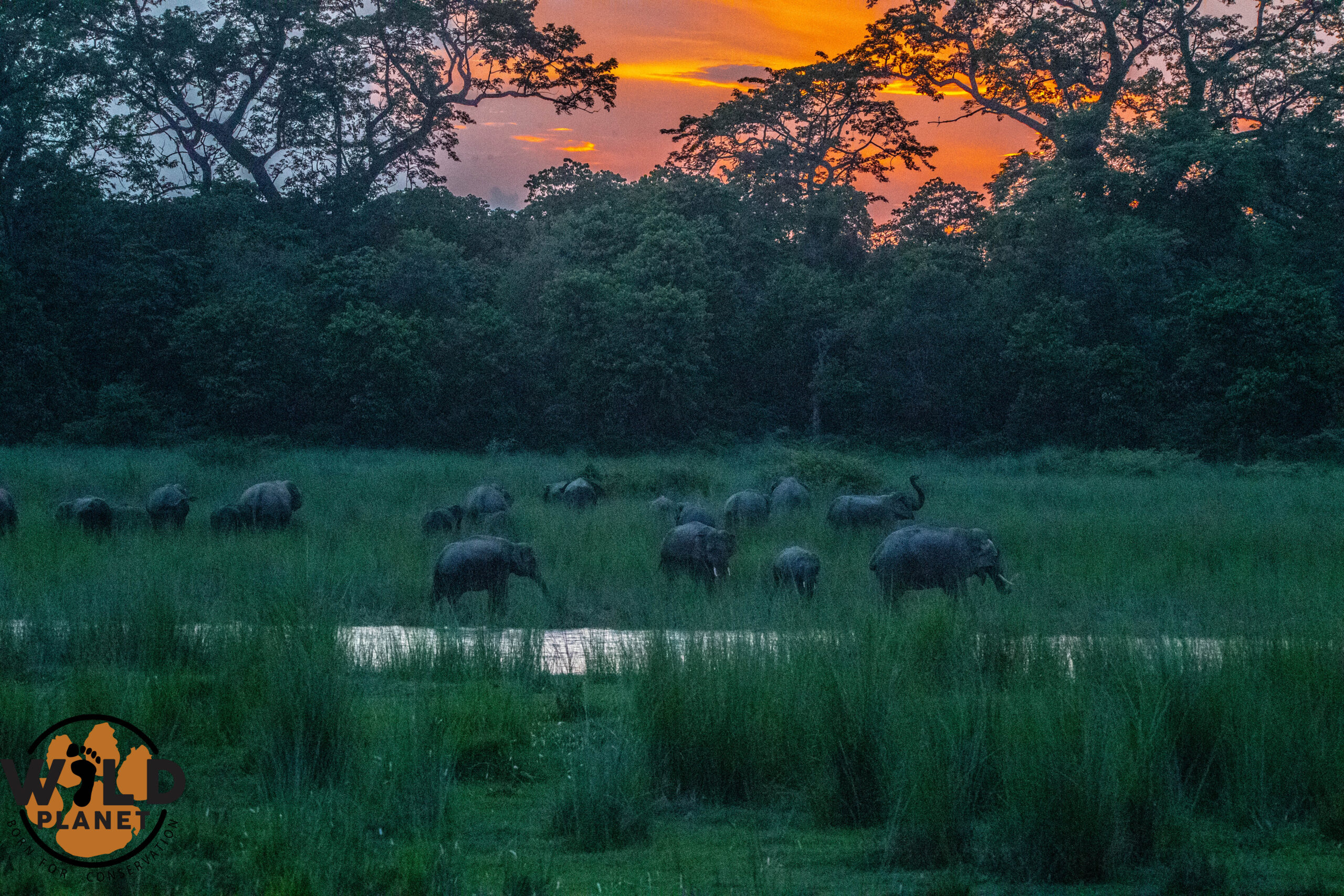
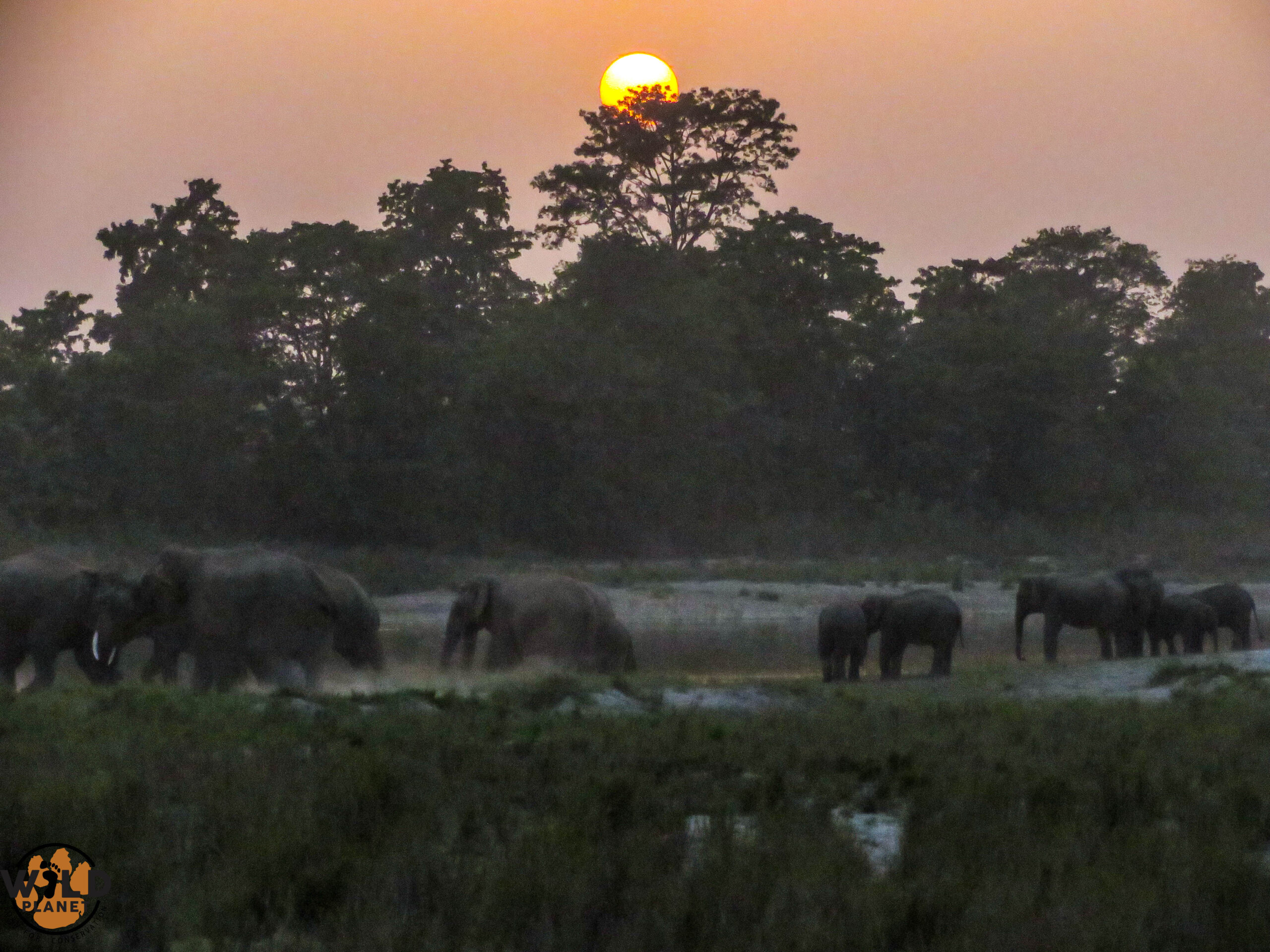
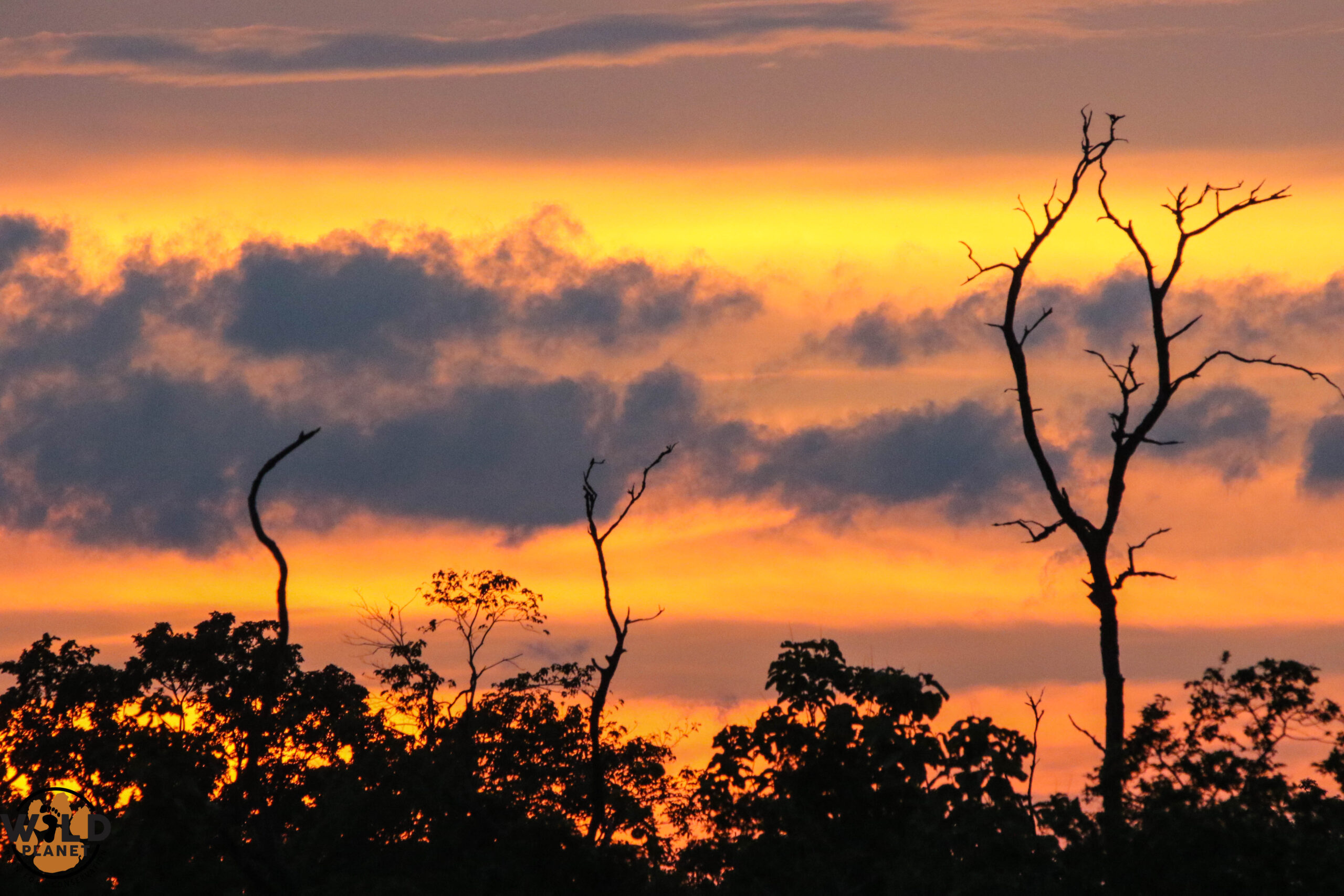
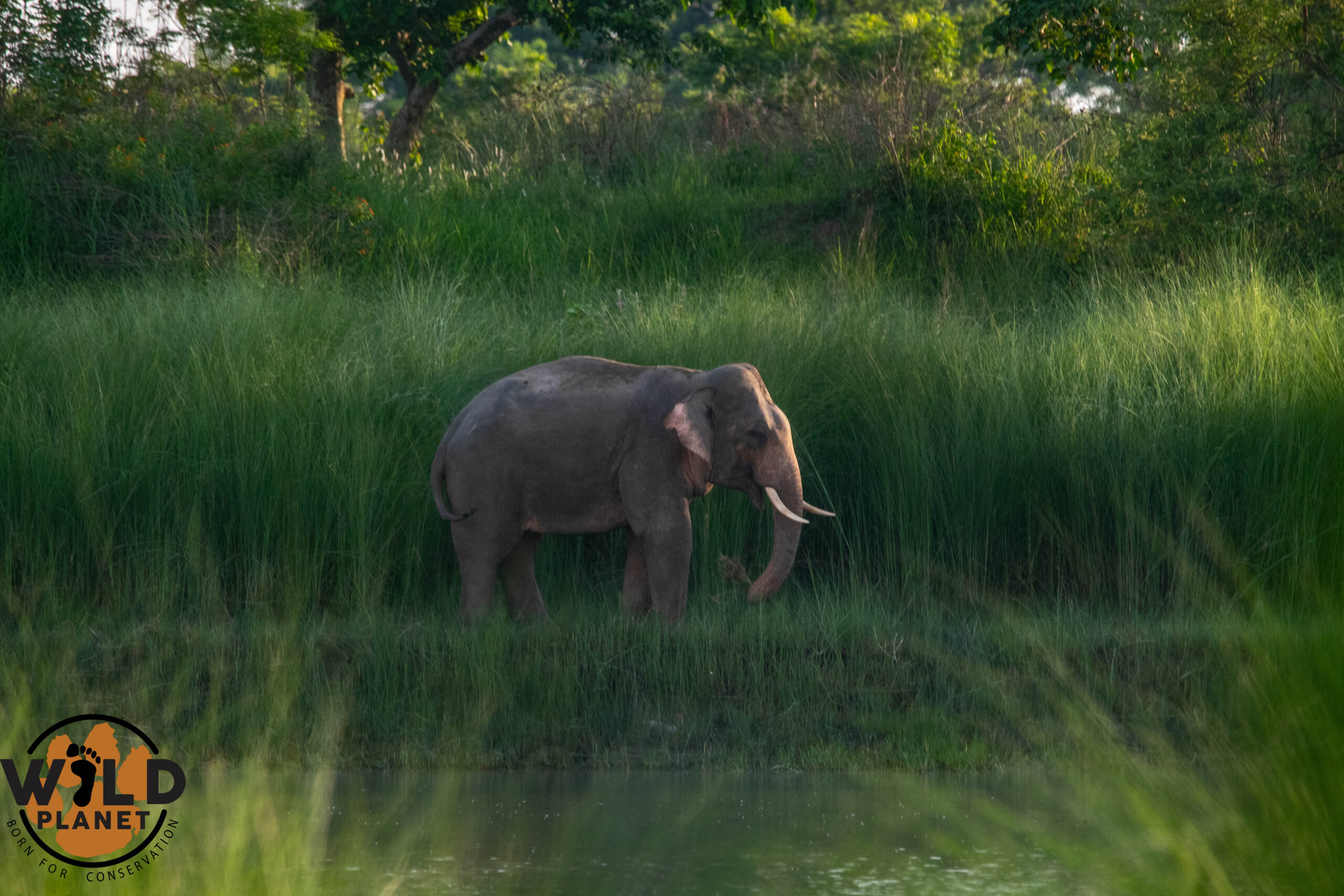
sunset with elephant at bardiya national park
best time of the year

Planning a trip to Bardia National Park? Understanding the weather can help you choose the perfect season for tiger tracking, wildlife photography, birdwatching, and unforgettable jungle adventures.

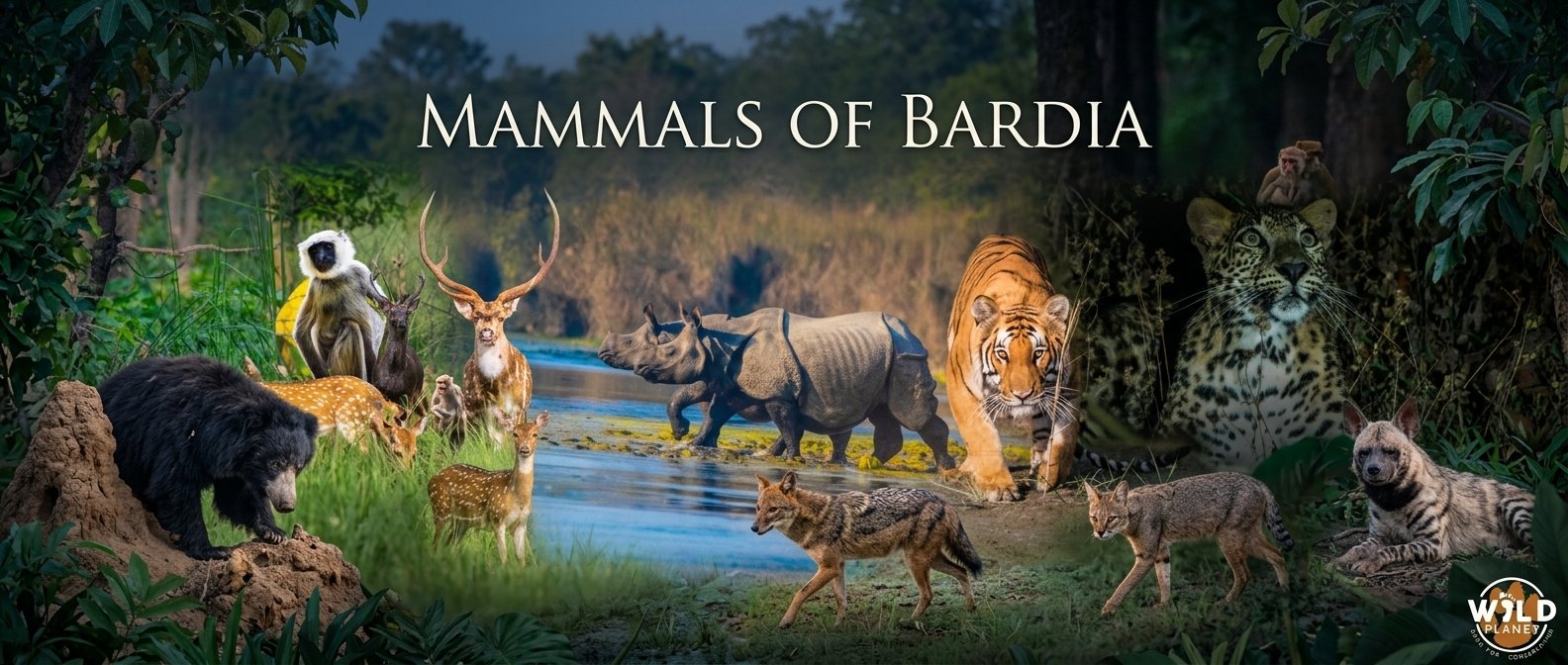
Located in western Nepal, Bardia National Park is one of Asia’s finest wilderness destinations and home to the majestic Bengal tiger, one-horned rhinoceros, wild elephants, leopards, gharials, and more than 500 species of birds

Bardiya National Park Weather Throughout the Year

Bardia National Park experiences a subtropical climate with three distinct seasons:

Winter (October to February) Winter is the most popular time to visit Bardia National Park. Days are pleasant and sunny, while mornings and evenings can be cool.

Temperature: 8°C to 28°C

Why visit in winter?

Perfect weather for jungle walks

Excellent wildlife photography

Clear visibility inside the forest

Outstanding birdwatching opportunities

Comfortable full-day safaris

Many visitors consider November to February the best period for exploring the park on foot.

Summer (March to June) Summer is hot, with temperatures often reaching above 40°C. While the heat can be challenging, this is one of the best seasons for spotting tigers.

As water sources shrink, wildlife gathers around rivers and waterholes, increasing the chances of memorable encounters.

Temperature: 25°C to 42°C

Why visit in summer?

Highest chance of tiger sightings

Excellent wildlife photography

Active animals near rivers

Fewer visitors than winter

April and May are especially popular among serious wildlife enthusiasts and photographers.

Monsoon (July to September) Monsoon rains transform Bardia into a lush green paradise. Forests become vibrant, rivers swell, and the entire ecosystem comes alive.

Temperature: 24°C to 35°C

Why visit during monsoon?

sunset view in bardia national park
beautify moment

Beautiful green landscapes

Incredible scenery for photographers

Rich birdlife

Peaceful atmosphere with fewer tourists

Although wildlife can be harder to spot due to dense vegetation, nature lovers often find this season magical.

Best Time to Visit Bardia National Park The best time depends on your interests

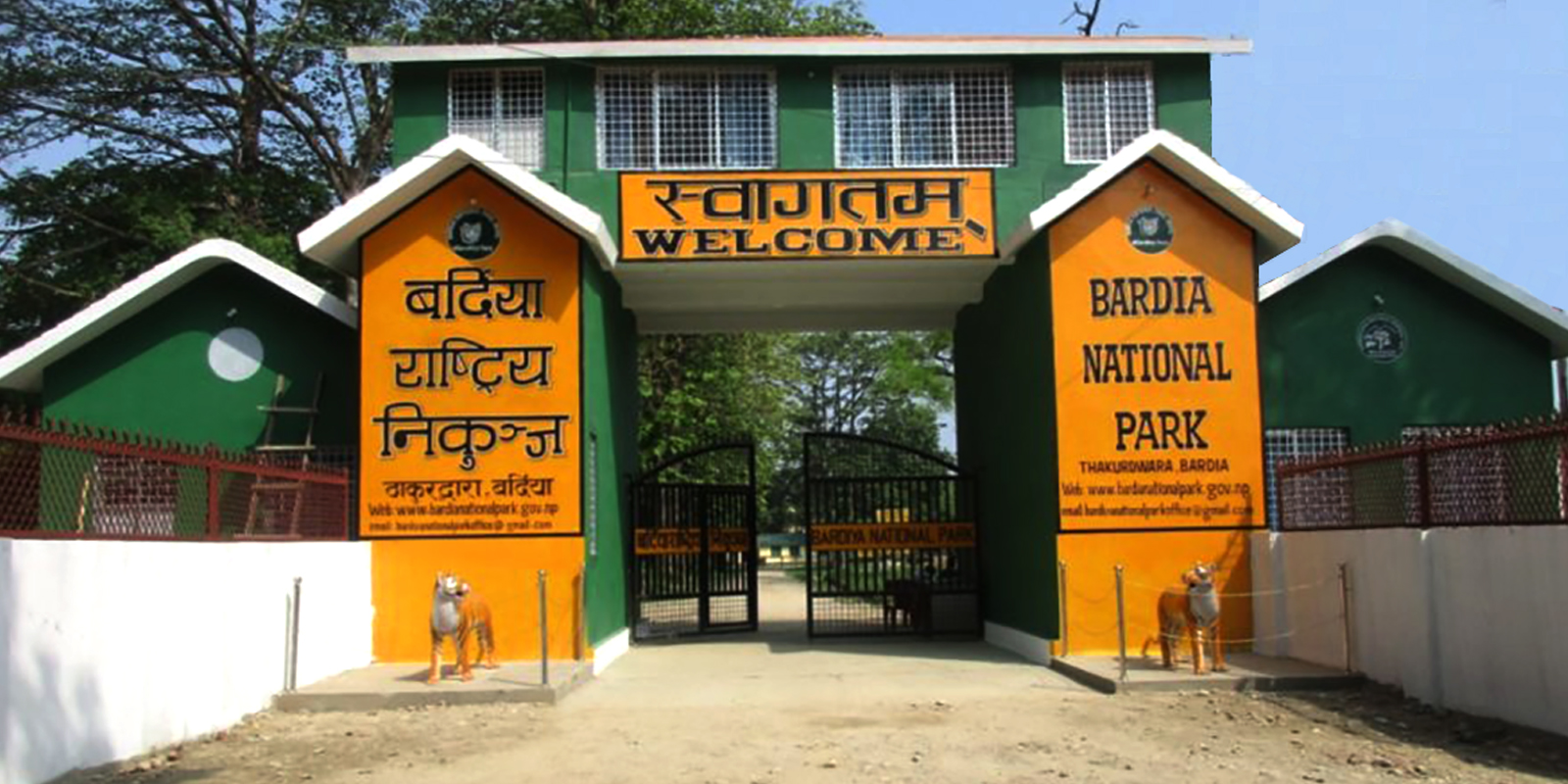
bardia national park gate

For Tiger Sightings March to May

For Wildlife Photography October to April

For Birdwatching November to February

For Comfortable Weather October to March

For Green Landscapes July to September

Monthly Weather in Bardia National Park Month Weather Wildlife Viewing January Cool & Dry Excellent February Pleasant Excellent March Warm Excellent April Hot Excellent for Tigers May Very Hot Best Tiger Season June Hot & Humid Good July Rainy Moderate August Rainy Moderate September Green & Fresh Good October Pleasant Excellent November Cool & Clear Excellent December Cool & Dry Excellent What Makes Bardia Special? Unlike many crowded wildlife destinations, Bardia offers a genuine wilderness experience. Visitors can spend hours walking through forests, following animal tracks, listening to bird calls, and exploring riverbanks with experienced local guides.

Every season tells a different story. Winter brings comfort and clear views, summer offers thrilling tiger encounters, and monsoon reveals the park’s extraordinary natural beauty.

Whether you are a wildlife photographer, conservation enthusiast, birdwatcher, or adventure traveler, Bardia National Park delivers one of Nepal’s most rewarding wildlife experiences.

Experience the Wild Side of Nepal Bardia National Park is more than a destination—it is a living landscape where conservation, local communities, and wildlife exist together. From tracking tigers in the early morning mist to watching the sunset over the Karnali River, every visit creates memories that last a lifetime.

Bardia National Park Safari: The Last Wild Heart of Nepal

Experience Untamed Wilderness with Tigers, Rivers, and Local Culture

If you are searching for an authentic jungle safari in Nepal, far from crowded tourist routes, then Bardia National Park is one of the last truly wild places left in South Asia. Located in the western lowlands of Nepal, Bardia offers a rare chance to witness Bengal tigers, one-horned rhinos, elephants, crocodiles, and over 400 species of birds in their natural habitat.

Unlike heavily commercial parks, Bardia still feels raw, peaceful, and deeply connected to nature.

Why Visit Bardia National Park?

  • High chance of seeing wild Bengal tigers Free-roaming elephants and herds of deer
  • Crocodiles in Karnali and Babai rivers
  • Paradise for bird watchers (400+ species)
  • Rich Tharu indigenous culture
  • Less crowded, more authentic jungle experience

This is where nature still decides the rhythm of life.

🐾 Best Safari Experiences in Bardia

1. Jungle Walking Safari

Walk deep into tiger territory with experienced local guides. Every step brings you closer to fresh pugmarks, alarm calls, and untouched forest silence.

2. Jeep Safari

Perfect for covering large areas of the park. Ideal for spotting rhinos, deer, and sometimes even tigers in open grasslands.

3. Riverbank Camping Safari

Sleep under the stars near the Karnali floodplain, surrounded by wilderness sounds—one of the most unforgettable experiences in Nepal.

4. Birdwatching Tours

Early morning walks reveal hornbills, kingfishers, eagles, and migratory birds.

Stay with Nature – Wild Planet Eco Retreat

wild planet
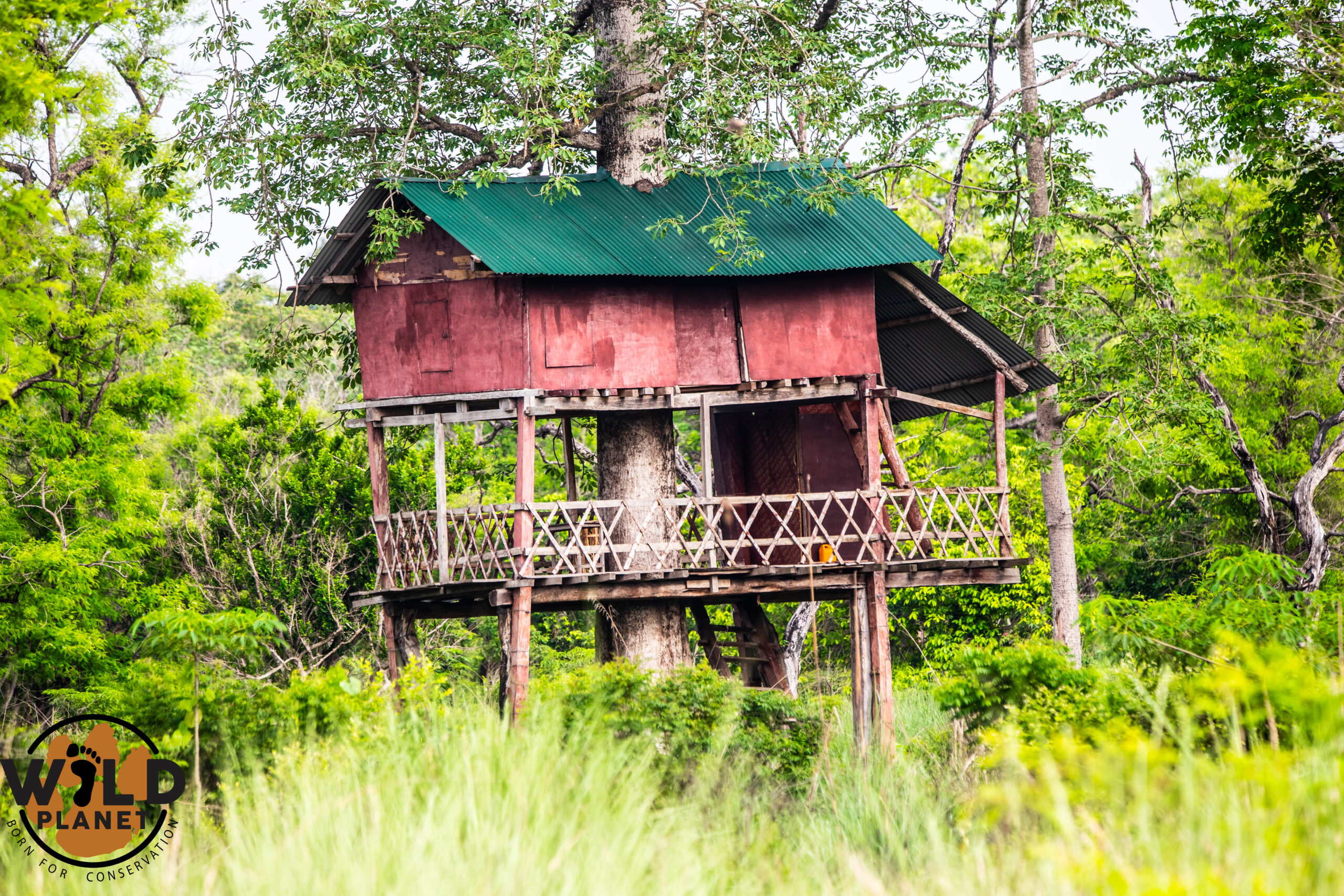
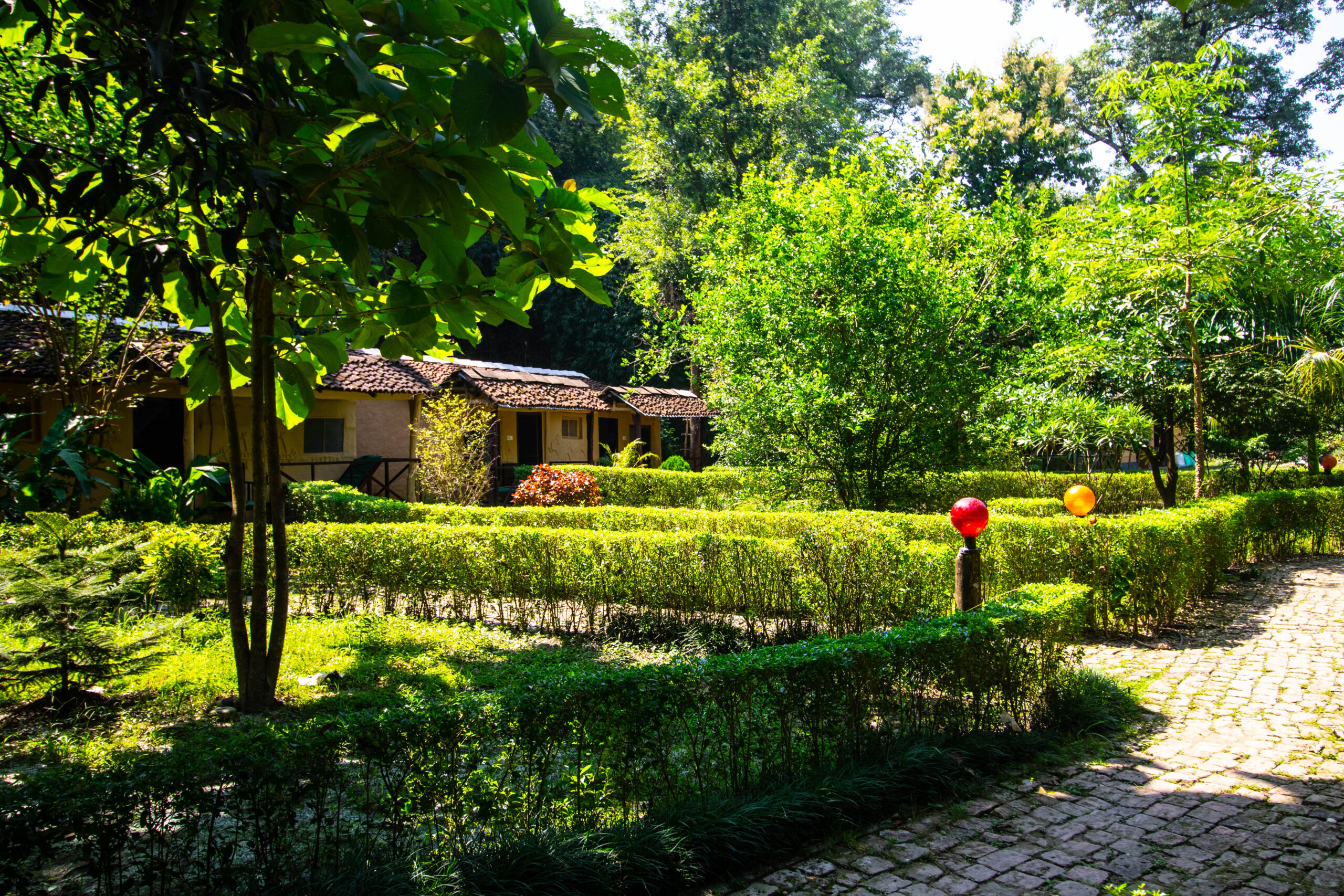
eco friendly room

For a deeper connection with nature and conservation, stay at Wild Planet Eco Retreat, a locally rooted eco-lodge focused on responsible tourism.

What makes it special:

  • Guided safaris with local wildlife experts
  • Cultural exchange with Tharu communities
  • Eco-friendly accommodation surrounded by nature
  • Conservation-focused travel experience

Here, tourism directly supports wildlife protection and local livelihoods.

Bardia National Park Safari Guide 2026: Tigers, Cost, Best Time & 5-Day Itinerary in Nepal

Discover Bardia National Park in Nepal: best time for tiger safari, cost, itinerary, and wildlife guide. Plan your 3–5 day jungle safari with expert local guides and high tiger sighting chances.

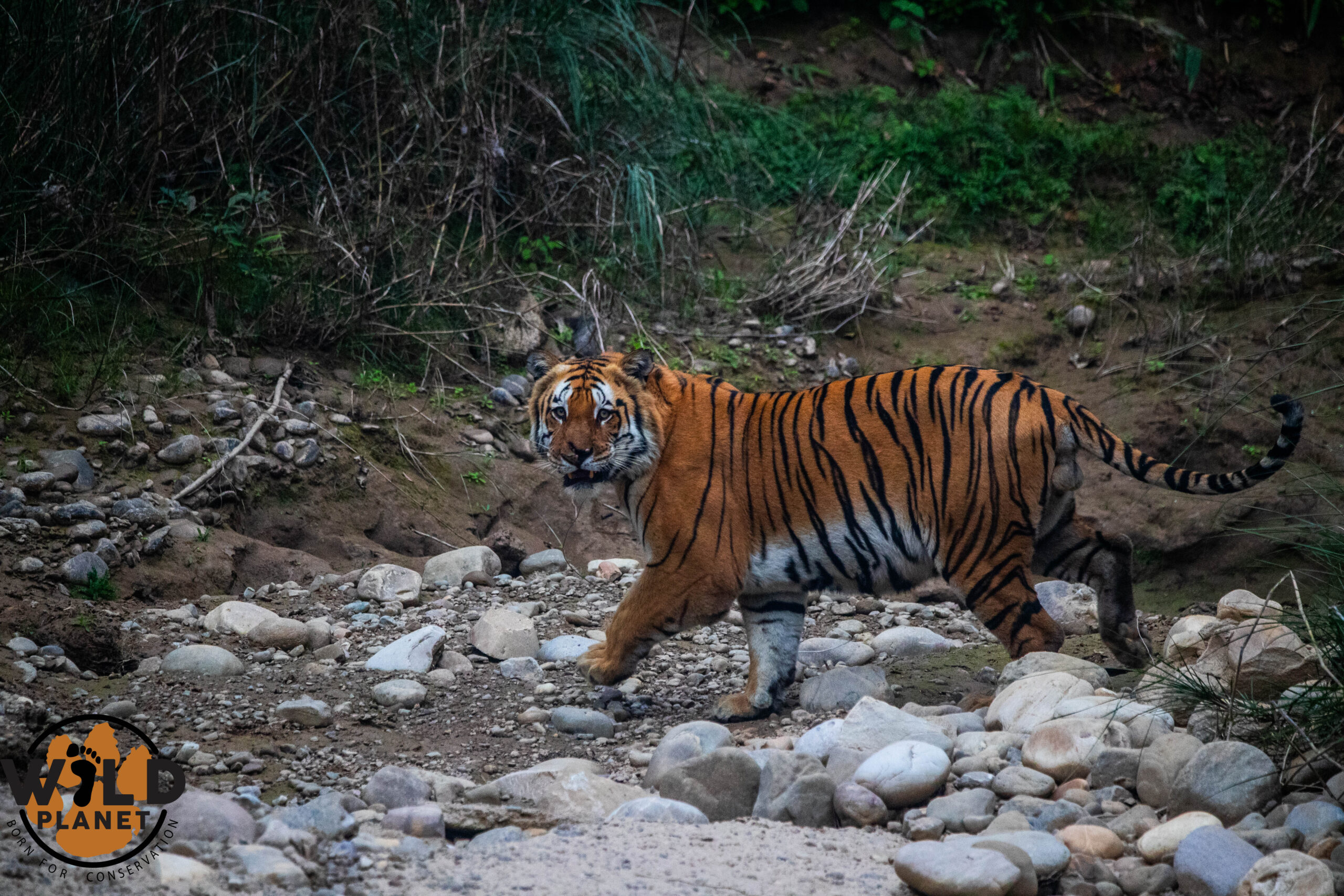
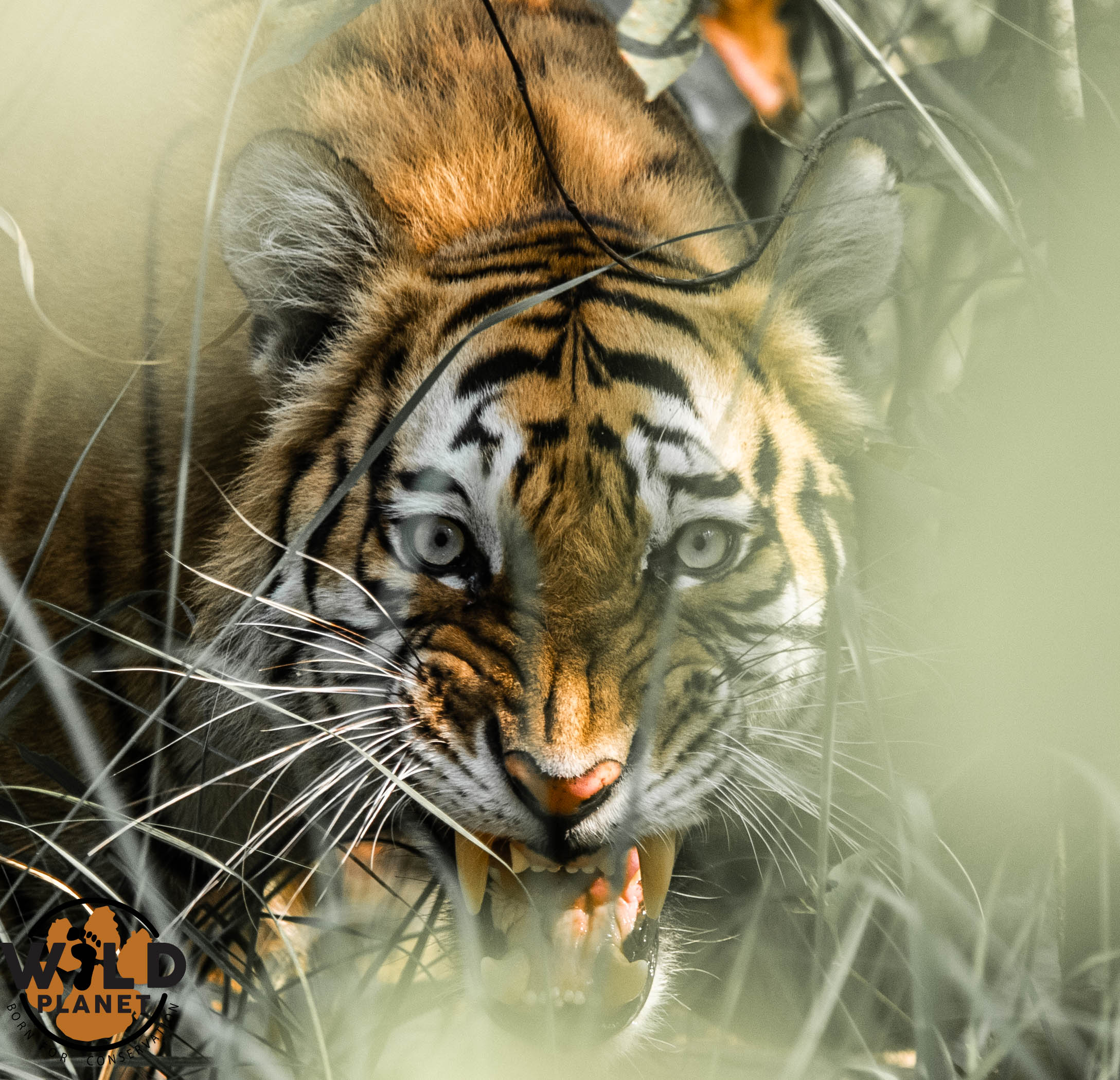
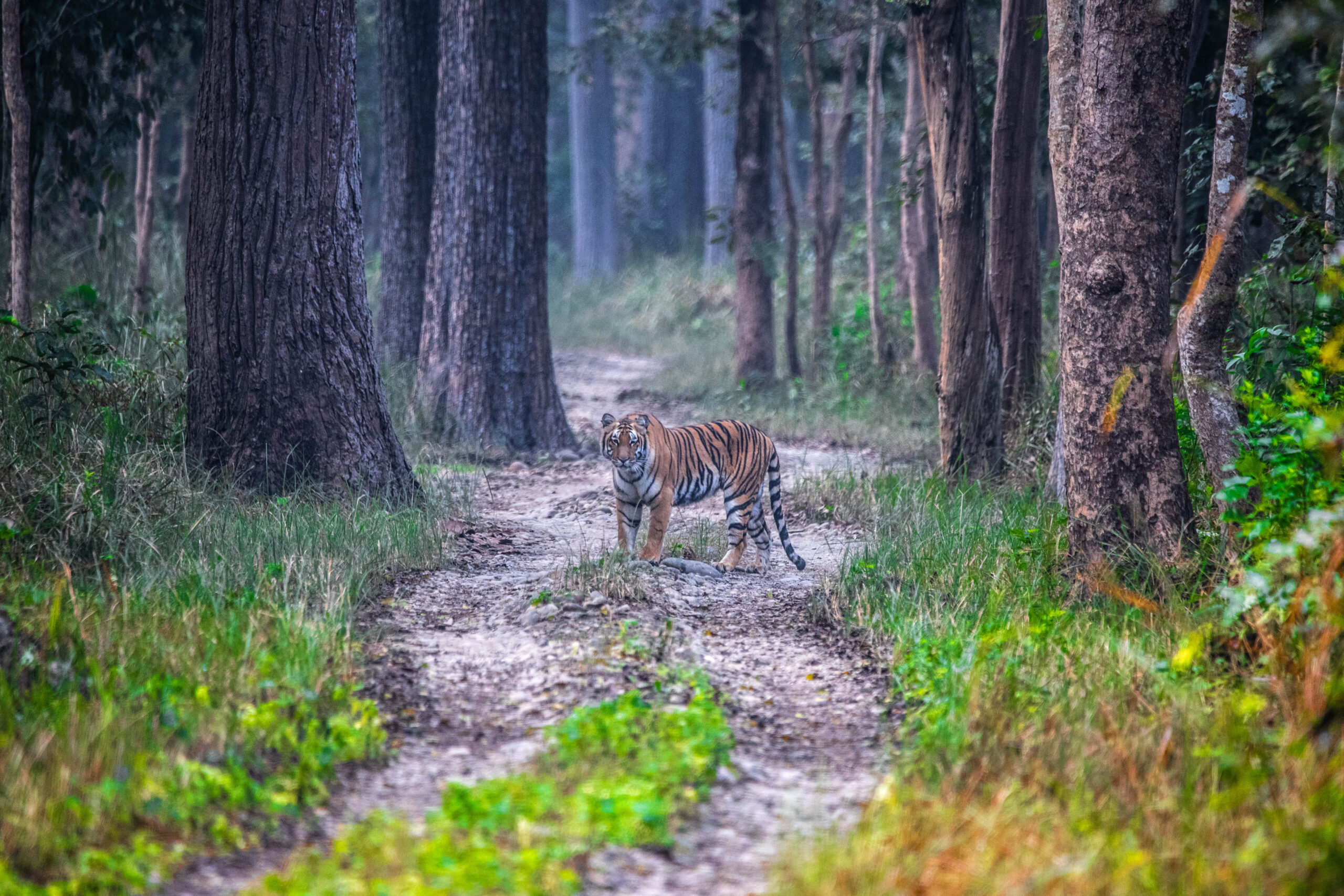
Bengal tiger in Bardia National Park forest
A Bengal tiger moves silently through the grasslands of Bardia National Park, one of Nepal’s last strongholds of wild tigers

Why Choose Bardia National Park for Tiger Safari?

Bardia is one of Nepal’s top tiger habitats, known for its increasing Bengal tiger population and low human disturbance.

Key Advantages:

  • High chance of tiger sightings compared to other parks
  • Large untouched forest ecosystem
  • Walking safaris allowed (rare in Asia)
  • Rich biodiversity: rhino, elephant, crocodiles, deer
  • Peaceful and less commercialized experience

👉 This makes Bardia one of the best places for a tiger safari in Nepal.

Best Time to Visit Bardia National Park

October to March (Best Season)

  • Pleasant weather
  • Clear visibility
  • Ideal jungle conditions

April to June (Best for Tigers)

  • Animals gather near water sources
  • Higher chance of tiger sightings
  • Hot weather but rewarding

July to September (Monsoon Season)

  • Heavy rain
  • Limited safari access
  • Very green landscape

How Many Days Do You Need for Safari?

To increase your chances of seeing wildlife and tigers:

  • 2–3 days: Basic safari experience
  • 4–5 days: Recommended for tiger tracking
  • 6–7 days: Best immersive wildlife expedition

👉 Recommended: 5-day Bardia safari itinerary


5-Day Bardia National Park Safari Itinerary

Day 1: Arrival + Cultural Experience

  • Arrival at lodge
  • Tharu village visit
  • Sunset nature walk

Day 2: Jungle Walking Safari

  • Full-day guided forest walk
  • Bird watching and tracking signs
  • Learning animal behavior

Day 3: Jeep Safari Adventure

  • Deep jungle exploration
  • Rhino, deer, elephant tracking
  • Tiger habitat monitoring

Day 4: River Floodplain & Walking Safari

  • Early morning jungle walk
  • Wildlife photography session
  • River ecosystem exploration

Day 5: Final Morning Safari + Departure

  • Short morning walk
  • Nature reflection
  • Departure

Bardia Safari Cost (What to Expect)

Safari costs depend on experience level:

  • Walking safari: budget-friendly guided tours
  • Jeep safari: full-day jungle exploration
  • Camping expedition: premium immersive wildlife experience

At Wild Planet Eco Retreat, we offer customized safari packages depending on group size, season, and duration.

Wildlife You Can See in Bardia

🐅 Bengal tiger 🦏 One-horned rhinoceros 🐘 Wild elephants 🐊 Mugger crocodile. Deer species (spotted, sambar, barking deer, hog deer,) 500+ bird species,48 different species of reptile.

Why Choose Wild Planet Eco Retreat?

We are a local, conservation-focused wildlife team offering authentic jungle experiences.

Our Strengths:

  • Expert local wildlife guides
  • Real tiger tracking experience
  • Small group safaris
  • Ethical wildlife tourism
  • Cultural connection with Tharu communities

Our mission:
Responsibility. Connection. Discovery.

Is It Safe to Travel to Nepal During Election Time? Yes, Nepal Is Safe for Tourists

If you’re planning a trip and wondering “Is Nepal safe to travel during election time?” the answer is yes—Nepal remains safe, peaceful, and welcoming for travelers.

Elections in Nepal are a normal democratic process and are generally calm. Tourism activities continue as usual, especially in popular destinations like Kathmandu, Pokhara, Chitwan, and Bardia National Park. Hotels, domestic flights, trekking routes, safaris, and guided tours operate smoothly with minimal disruption.

Nepal Is Safe for Tourists During Elections

Nepal has a long history of hosting international travelers, even during political events. Tourist areas are well-managed, and local communities understand the importance of tourism for livelihoods and conservation.

Most election activities are localized and short-term. Visitors rarely experience any inconvenience, particularly when traveling with local guides or staying at established accommodations.

Warm-Hearted Nepali Hospitality

One of Nepal’s greatest strengths is its people. Nepali people are warm-hearted, respectful, and always ready to welcome guests. Hospitality is deeply rooted in the culture—guests are considered a blessing.

Whether you are trekking in the Himalayas, exploring cultural cities, or enjoying wildlife safaris in national parks, you will feel safe and cared for.

Traveling During Elections: What to Expect

  • Tourist services remain open
  • National parks and trekking routes are unaffected
  • Transportation runs normally with minor, temporary adjustments
  • Local guides help ensure smooth travel

Nature, wildlife, and adventure do not pause for elections.

Why Visiting Nepal During Election Time Is Still a Great Choice

Traveling during election periods often means:

  • Fewer crowds
  • More authentic local interactions
  • Peaceful natural experiences
  • Continued support for local communities

Final Thoughts

Nepal is safe to travel during election time. The country remains open, peaceful, and full of unforgettable experiences. With welcoming people, stunning nature, and strong tourism infrastructure, Nepal continues to be a reliable and rewarding destination year-round.

We look forward to welcoming you to Nepal.

Tiger Sightings Rise in Foggy Days | Bardia National Park

Bardia National Park — Nepal’s hidden wildlife paradise — is showing something truly special this season. From November to February, when the mornings are cool and the jungle wears a blanket of mist, tiger sightings are surprisingly increasing.

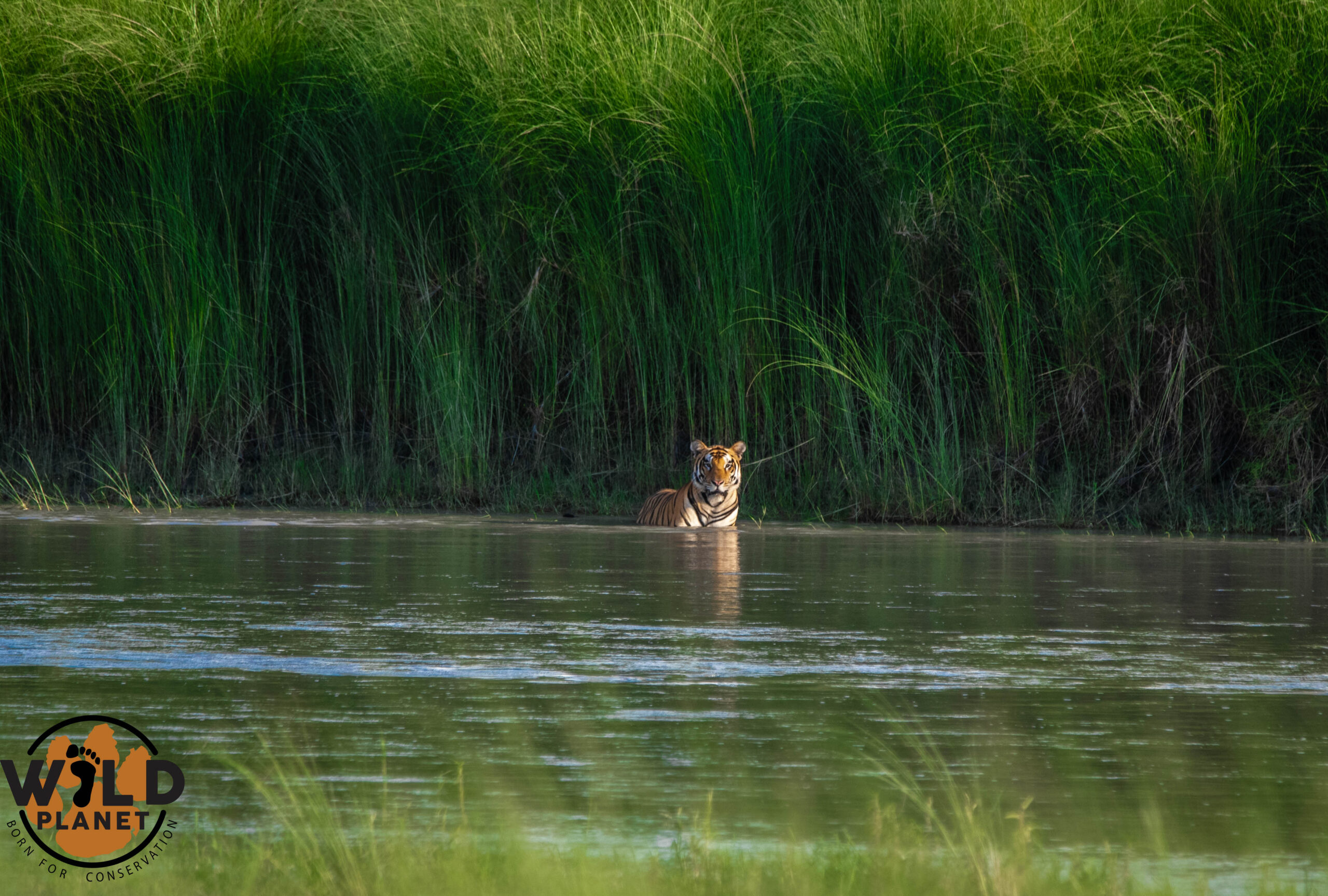
A rare tiger sighting in the foggy winter jungle of Bardia National Park, Nepal.
the quiet fog of a winter morning, a Bengal tiger steps out from the mist — a breathtaking moment from Bardia National Park.

The Jungle Comes Alive in the winter

As the cool winter fog settles over the grasslands and riverbanks, the forest takes on a magical tone. You can feel the chill in the air, hear the call of the peacock echoing through the mist, and sense that something powerful is moving silently nearby.
And then — out of nowhere — a majestic Bengal tiger emerges through the fog, golden eyes glowing like the sun breaking through the clouds.

For many visitors, this surreal moment has become the highlight of their safari in Bardia.

Wild langur monkey sitting on a tree branch in Bardia National Park, Nepal, captured during wildlife safari.
Curious and playful, a langur monkey observes the jungle from its perch — a glimpse of Bardia’s vibrant wildlife.

Why Tiger Sightings Are Increasing

This rise in sightings reflects the success of community-led conservation efforts and the deep respect for wildlife in Bardia. Nature guides, local conservationists, and eco-friendly tourism practices have helped tigers feel safer and more active, even during the colder months.

Tigers are using open grasslands and riverbanks more often now, giving photographers and nature lovers unforgettable encounters — moments that stay in the heart forever.

Experience the Spirit of the Wild

Wild Planet Eco Retreat, we believe every tiger sighting is a gift — not just luck, but a reward for patience and respect toward nature. Each foggy morning holds a new story, a new sound, and sometimes, a quiet meeting with the king of the jungle.

Come and experience the untamed beauty of Bardia National Park this winter. Watch the fog lift, hear the jungle awaken, and maybe — just maybe — lock eyes with a tiger in the mist.

Best Time to Visit Bardia National Park: Tiger Season and Festival Vibes in Nepal

Royal Bengal tiger in Bardia National Park feeding on a spotted deer kill during a wildlife safari in Nepal.
A rare sighting of a tiger with its deer prey inside Bardia National Park – a raw glimpse of nature’s food chain.

you’re planning an adventure to Nepal, Bardia National Park should be at the top of your travel list. Known as one of the best destinations for tiger sightings in Asia, Bardia offers not only an incredible wildlife experience but also a chance to immerse yourself in Nepal’s vibrant festival season.

Tiger Season in Bardia National Park

The best time to visit Bardia for tiger sightings is October to April. During these months, the weather is pleasant, the grass is shorter, and water sources become limited, making wildlife—especially the elusive Royal Bengal Tiger—easier to spot.

  • October – November: Post-monsoon season with lush greenery and high chances of spotting big cats.
  • December – February: Cooler weather, clear skies, and an ideal time for walking safaris and photography.
  • March – April: Hotter months, but wildlife gathers around rivers and waterholes, increasing tiger sighting opportunities.

This seasonal window is the prime time for wildlife lovers, photographers, and adventurers hoping for the unforgettable experience of locking eyes with a wild tiger in its natural habitat.

Festival Season in Nepal: Culture Meets Wilderness

Another reason why October–November is the best time to visit Nepal, including Bardia, is the festival season. Two of Nepal’s biggest celebrations, Dashain and Tihar, fall during this period.

  • Dashain: Nepal’s most important Hindu festival, celebrated with family gatherings, animal blessings, and colorful rituals.
  • Tihar: Known as the “Festival of Lights,” it honors animals such as crows, dogs, and cows while homes and streets glow with oil lamps.

Visiting Bardia during festival season means you don’t just get a chance to see tigers—you also experience the rich Tharu culture of the local people, who celebrate these festivals with unique traditions, dances, and food.

What to Bring for Your Trip to Bardia

To make the most of your wildlife adventure and cultural journey, here’s a packing checklist:

  • Clothing: Light, breathable clothes for daytime, warm layers for cool mornings and evenings (especially December–February).
  • Footwear: Comfortable walking shoes or hiking boots for safaris and jungle walks.
  • Binoculars: Essential for birdwatching and spotting wildlife at a distance.
  • Camera & extra batteries: Capture unforgettable tiger moments and vibrant cultural festivals.
  • Mosquito repellent: Especially useful during the evenings.
  • Reusable water bottle: Stay hydrated while being eco-friendly.
  • Sunscreen, hat, and sunglasses: Protect yourself from the strong midday sun.
  • Personal essentials: Medicines, toiletries, and travel documents

Why Combine Tigers and Festivals?

Traveling to Nepal during this time allows you to:

  • Witness incredible tiger sightings in Bardia National Park.
  • Enjoy pleasant weather perfect for jungle walks, jeep safaris, and rafting.
  • Celebrate Nepal’s biggest festivals alongside local communities.
  • Experience a perfect blend of nature, culture, and adventure.

Plan Your Trip to Bardia National Park

Whether you’re a wildlife enthusiast, photographer, or cultural traveler, October to April is the ultimate season to experience Bardia. You’ll not only increase your chances of seeing tigers but also connect deeply with the heart of Nepal’s traditions.

👉 Don’t miss this golden opportunity: Tiger season + festival season = the best time to visit Bardia National Park.

No Off-Season for Wildlife in Bardia: Discover the Magic of Monsoon

Bardia National Park in Monsoon | Wildlife Safari in Nepal All Year

Discover why there’s no off-season for wildlife in Bardia National Park. Monsoon safaris offer green landscapes, quiet trails, and incredible wildlife sightings.

experience Bardia National Park in Monsoon – When the Jungle Comes Alive

Many people believe the monsoon is the off-season for jungle safaris—but that’s not true in Bardia National Park, Nepal. In fact, monsoon brings the jungle to life with lush greenery, dramatic skies, and active wildlife.

It doesn’t rain all day, every day. After the showers, the forest glows with fresh energy. These quiet moments in between are some of the best times to see wildlife like tigers, rhinos, elephants, and birds in their natural habitat.


Why Visit Bardia in the Monsoon Season?

  • Green, Fresh Jungle – The forest turns into a lush paradise.
  • Wild Elephant Movements – Herds of elephants travel to Bardia for food and shelter.
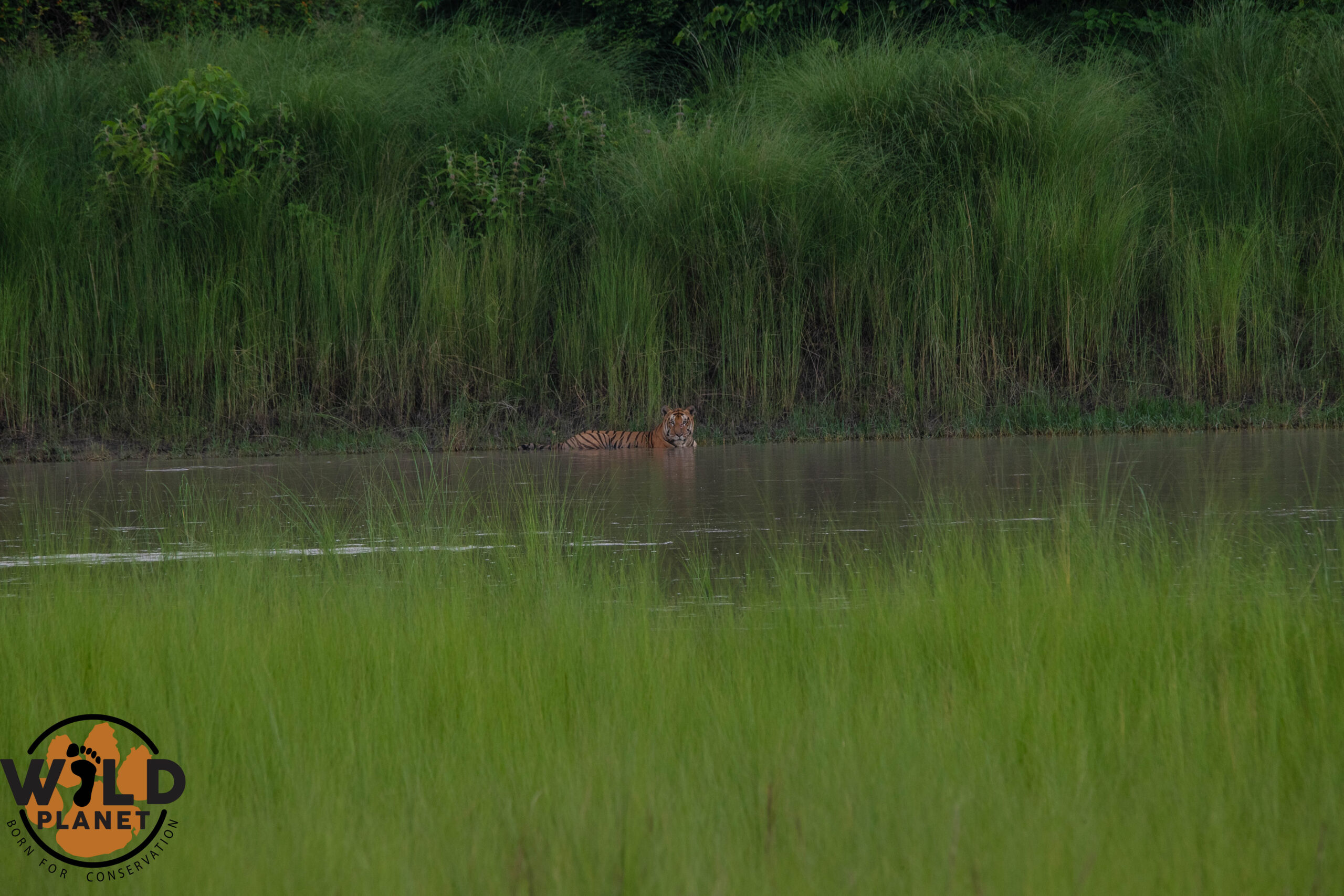
  • Tiger Activity Increases – With fewer tourists and more cover, tigers roam more freely.
  • Quiet, Peaceful Trails – Fewer visitors means you’ll often have the park to yourself.
  • Perfect for Wildlife Photography – Rain-washed colors and dramatic skies create unforgettable frames.

Take Your Time – Stay for a Week

If you’re planning a monsoon safari in Bardia, don’t just come for 2 or 3 days. This season needs patience and presence. We recommend staying at least one week to truly experience the rhythm of the jungle. When it’s not raining, those windows of clear weather offer some of the best chances to see animals up close.

You may walk alone through the misty jungle, hear the alarm calls echoing in the trees, and feel the forest breathing around you. That’s when you know—you’re not in a zoo or a tourist spot. You’re in the real wild.


There Is No Off-Season in the Wild

Nature doesn’t follow calendars. Whether it’s summer, winter, or the rains—Bardia is always alive.

So pack your boots, grab your binoculars, and come discover a side of Nepal few travelers ever see. The monsoon is waiting. And the jungle never sleeps.

Best wishes from tiger land.

Why Bardia National Park Is the Best Jungle Safari Destination in Nepal (2025)

Looking for the best place to see tigers in Nepal? Dreaming of a true wilderness experience, away from crowds and noise?
Welcome to Bardia National Park — Nepal’s most untouched and authentic wildlife destination.

In 2025, more travelers are opting to skip crowded places and head to Bardia for a once-in-a-lifetime safari. Here’s why it’s the #1 choice for nature lovers, wildlife photographers, and eco-tourists.

1. Best Place for Tiger Safari in Nepal

Bardia has the highest tiger density in Nepal. Unlike Chitwan, where traffic and tourism can disturb wildlife, Bardia offers real chances to see Bengal tigers in the wild — in silence, with no rush.

2. Rhinos, Elephants, and Rare Species in a Peaceful Setting

Where else can you see one-horned rhinos, wild elephants, gharials, sloth bears, and dolphins in a single trip? Bardia offers diverse wildlife sightings without crowds.

3. The Only Real Walking Safari in Nepal

Bardia is the only national park in Nepal where you can experience a genuine walking safari — following tiger tracks, crossing rivers, and moving quietly through grasslands with expert local guides

4. Top Destination for Wildlife Photography in Nepal

For photographers, Bardia is a dream. Golden jungle light, clear animal trails, and low tourist numbers make it easy to capture rare wildlife moments — tigers crossing rivers, elephants in herds, birds in flight

5. Camping, Rafting & Adventure by the River

Bardia offers more than jeep safaris. Enjoy overnight camping in the Karnali floodplain, peaceful rafting, and nature nights under the stars with the sounds of the jungle all around.

6. Eco-Friendly, Local, and Crowd-Free

In 2025, travelers want sustainable and local experiences. Bardia delivers — no mass tourism, only real connections with nature and local Tharu communities. Stay at eco-retreats, support local guides, and leave a positive footprin

Best Time to Visit Bardia National Park (2025)

October to April – Ideal for wildlife sightings

March to May – Best for tiger activity

November & February – Clear skies, cool weather

What to Bring for Bardia Safari

Binoculars & camera

Neutral clothes (green/brown)

Mosquito repellent

Warm layers for morning/evening

Good hiking shoes

Final Thoughts: Why Bardia Is the Best Wildlife Destination in Nepal

family love

In a time when real nature is getting rare, Bardia National Park still feels wild and alive. Whether you’re tracking tigers, photographing rare birds, or just soaking in the silence, Bardia offers something no other park in Nepal can.

👉 Book your Bardia safari tour 2025 now
👉 Walk where tigers still rule
👉 Support local guides and eco-tourism

Bardia National Park – Where Real Jungle Lives.
Let your 2025 adventure begin in the heart of Nepal’s wild west.

How to Get to Bardiya National Park from Kathmandu: Your Ultimate Travel Guide

Planning a trip to Nepal and dreaming of a truly wild adventure? Look no further than Bardiya National Park. This remote jungle paradise in southwestern Nepal is a wildlife enthusiast’s dream, offering incredible opportunities to spot Bengal tigers, one-horned rhinos, elephants, and a plethora of bird species.

But how do you get to this hidden gem from Nepal’s bustling capital, Kathmandu? You have two primary options: the scenic, budget-friendly bus or the fast, comfortable flight. Let’s break down everything you need to know to choose the best travel option for your Bardiya National Park safari.


Option 1: By Bus – The Budget-Friendly & with flight

For travelers on a budget or those who enjoy slow travel and soaking in the landscapes, the overnight bus is a fantastic choice. It’s an experience in itself!

  • Departure Station: All long-distance buses heading towards Bardiya National Park depart from Gongabu Bus Station (also known as New Bus Park) in Kathmandu. It’s a bustling hub, so arrive a bit early.
  • Bus Departure Times: Buses typically depart daily in the afternoon, with frequent timings from 1:00 PM to 5:00 PM. This allows for an overnight journey, arriving in the early morning.
  • Travel Duration: Expect a journey of approximately 14–18 hours. This is an overnight ride, so be prepared for a long stretch on the road.
  • Ticket Price: Bus tickets are very affordable, ranging from NPR 2,500–2,700 (about $18–$20 USD).
  • Drop-Off Point: Your main destination for Bardiya is Ambasa, which is the gateway town to the park. Make sure to confirm with your bus conductor that they will drop you here. Buses may be heading towards Dhangadhi or Mahendranagar, but Ambasa is your stop.
  • Recommended Bus Companies: For a more comfortable journey, look for Sudurpaschim Yatayat or Mahakali Yatayat. These companies often offer sofa/AC buses, which make a significant difference on such a long ride.

What to Expect & Getting to the Park from Ambasa:

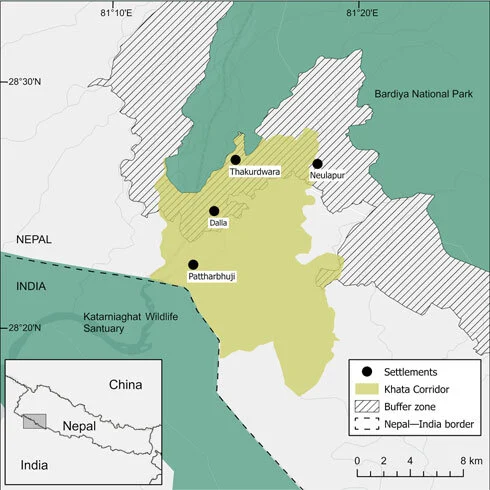
The bus ride will take you through diverse Nepali landscapes. Upon arrival in Ambasa in the early morning, you’ll be about 13–15 km from Thakurdwara, the main lodge area near the park entrance.

  • Tuk-tuk: A tuk-tuk is a common way to get from Ambasa to Thakurdwara, costing approximately NPR 500.
  • Local Bus: Sometimes, local buses are available in the late afternoon, but they are less reliable for immediate transfer.
  • Best Option: We highly recommend arranging a pickup with your Wild Planet Eco Retreat in advance. They are well-versed in transfers and can ensure a smooth, stress-free continuation of your journey directly to your accommodation.

Option 2: By Flight – Fast and Comfortable

If time is of the essence or you prefer a quicker, more comfortable journey, flying is the way to go.

  • Flight Route: Your flight will take you from Kathmandu’s Tribhuvan International Airport (KTM) to Nepalgunj Airport (KEP). Nepalgunj is the closest major city and airport to Bardiya National Park.
  • Flight Time: The flight itself is quick, typically around 50 minutes to 1 hour.
  • Flight Cost: Expect to pay around $120 to $130 USD for a one-way ticket. Prices can vary based on seasonality and how far in advance you book.
  • Airlines with Daily Flights: Reputable airlines like Buddha Air and Yeti Airlines operate multiple daily flights on this route, offering flexibility for your travel plans.

From Nepalgunj to Bardiya National Park:

Once you land at Nepalgunj Airport, Bardiya National Park is still a bit of a drive away.

  • Travel Time: The road journey from Nepalgunj to the Bardiya National Park area takes approximately 2.5 to 3 hours, covering a distance of 74–90 km.
  • Transport Options:
    • Private Jeep or Car: The most convenient option is to book a private transfer through your lodge in Bardiya. This ensures a comfortable and direct ride.
    • Local Bus: For a more budget-friendly option, you can find local buses just outside the airport. These buses will take you to Ambasa, which is the main gateway town to Bardiya National Park. The journey to Ambasa by local bus also takes around 2 to 3 hours.

Which Travel Option is Best for You?

To help you decide, here’s a quick comparison:

OptionBest For
🚌 BusBudget travelers, backpackers, and those who enjoy slow travel and authentic local experiences.
✈️ FlightTravelers short on time, those seeking comfort, or anyone who prefers to avoid long road journeys.

Export to Sheets


Booking Tips for a Smooth Journey

  • Bus Tickets: It’s wise to book your bus tickets in advance, especially during peak season. You can purchase them directly at Gongabu Bus Park. though availability specifically to Ambasa might vary, so direct purchase is often best.
  • Flight Tickets: Book your flight tickets directly via the airline websites (Buddha Air, Yeti Airlines) or use a local travel agent in Kathmandu.
  • Transfers to/from Park: This is crucial! Always coordinate with your Bardiya National Park lodge for pickups from either Ambasa (for bus travelers) or Nepalgunj Airport (for flight travelers). This ensures a smooth and stress-free final leg of your journey, getting you quickly to your jungle adventure.

Whether you choose the adventurous bus ride or the swift flight, your journey to Bardiya National Park promises to be the beginning of an unforgettable wildlife experience. Happy travels!

AC/SOFA BUS

The Elephant’s Path: A Silent Test of Coexistence in Bardia National Park

Bardia National Park is one of Nepal’s most precious natural treasures, where forests, rivers, wildlife, and local life breathe together in harmony. But in the heart of this beauty lies a silent struggle — a highway that cuts through the jungle’s soul.

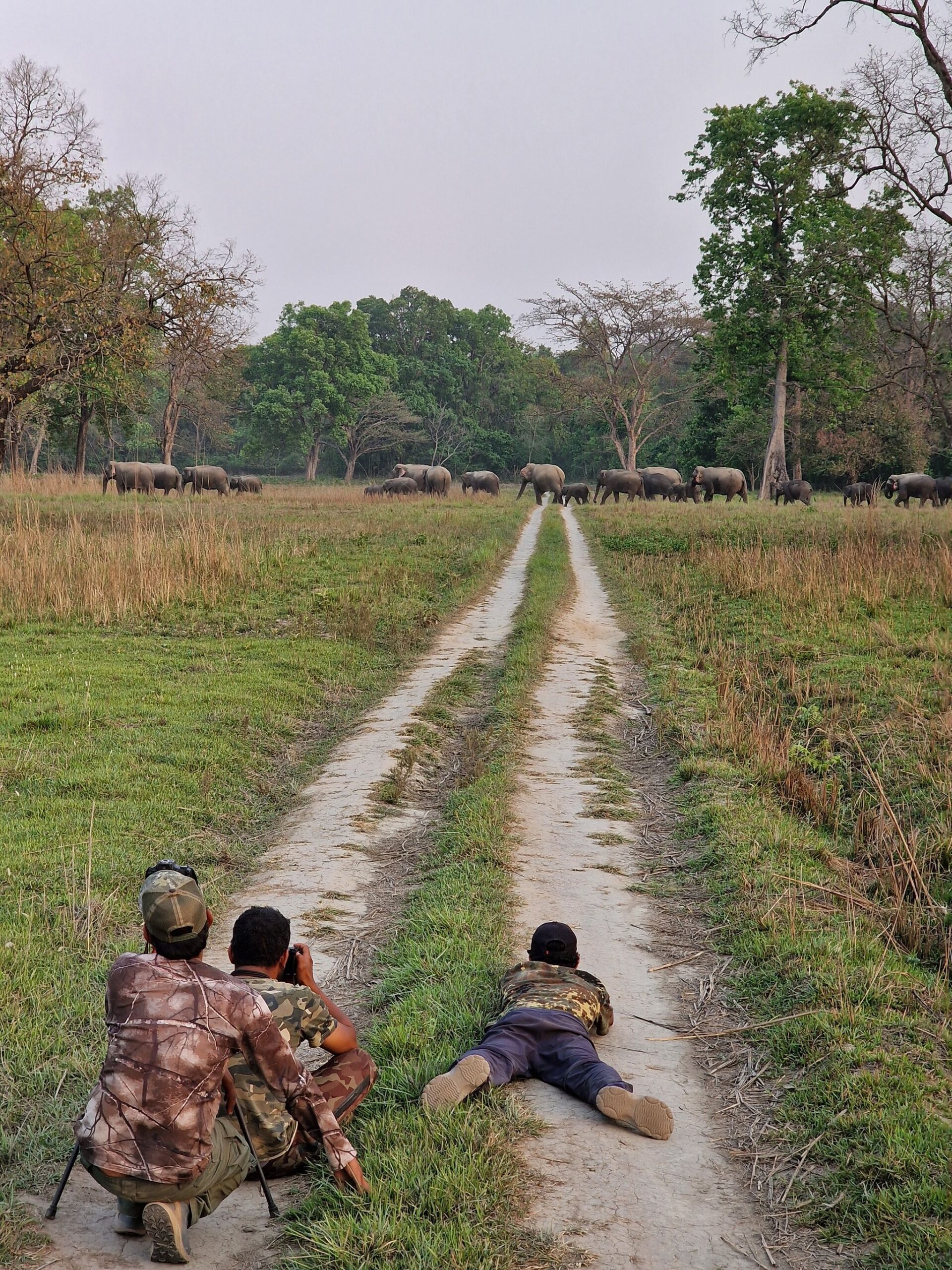
This highway doesn’t just connect human destinations; it intersects the ancient routes of wild elephants. One of the most awe-inspiring and delicate moments while driving here is witnessing a herd of elephants slowly crossing the road. Baby elephants cling to their mothers’ tails, moving forward cautiously — as if they know this road doesn’t belong to them, but they must cross it to survive.

Sadly, some travelers fail to understand this moment. Honking horns, revving engines, and loud excitement disturb the silence of the forest. Some even get out of their vehicles to take photos, unaware that one wrong move could bring danger — for both humans and animals.

These elephants of Bardia haven’t just survived — they’ve been trying to adjust to our growing presence. And what do they ask from us? Just a little patience, a little compassion, a little silence.

But if we cannot offer even that little, then all our words about wildlife conservation start to feel empty. That one minute we give an elephant to cross the road might be the one chance it has to live.

When engines stop, elephants can breathe.
When horns are silent, their babies don’t panic.
When we sit still, the jungle remains calm.

And it’s not just elephants. Sometimes chitals, rhinos, wild boars — even a tiger — quietly cross this very road. But elephants, with their massive presence and gentle silence, stand as a clear reminder of how the forest is trying its best to tolerate us.

Elephants don’t scream, don’t demand.
They quietly ask for space, for survival.
That silence is a test — of how human we still are.

We enter the forest, but often forget the forest’s way.
That way is built on respect, stillness, and coexistence.

So the next time you drive through Bardia National Park, please stop for a moment. Look into the eyes of the crossing elephant. They are saying something:

“We are not here to fight. We just want to live.
Please… let us pass.”

This jungle is ours — a shared home.
If we can’t live together, what kind of life are we living?

A silent message from the heart of Bardia.
Learn to wait. Learn to respect.
Let the elephant live — on the road we share.

Wild Planet Family
Born for Conservation