experience bangle tigers,rhino,elephants,birds,and the wildrness of bardia with experience local naturlalits at wild planet eco retreat.

Discover the WILD HEART OF NEPAL-BARDIA NATIONAL PARK


LIVE WILD. TRAVEL DEEP. DISCOVER BARIDA

Wild Planet Eco Retreat is a nature-focused retreat near Bardia National Park in western Nepal, created for travellers who want to experience the wilderness beyond the ordinary safari. Here, the forest is not simply a backdrop—it is the reason we are here. From our retreat, you can explore the remarkable wildlife of Bardia National Park through guided jeep safaris, jungle walking safaris, tiger tracking, birdwatching and wildlife photography. For travellers looking for a deeper wilderness experience, we also offer camping inside the national park and expeditions into the remote Babai Valley. Our experienced local naturalists help you look beyond simply finding animals. We share the stories of the forest—the tracks of a tiger, the alarm calls of deer, the movement of elephants, the rhythm of the rivers and the connections between wildlife, habitat and people.

Wild Planet was born for conservation.

We believe tourism should create a stronger relationship between people and nature. That means supporting human–wildlife harmony, respecting local communities, encouraging responsible travel and helping visitors understand why protecting forests, rivers and wildlife matters.

Come to Bardia for the wildlife.  Stay for the wilderness. Leave  inspired to protect it.

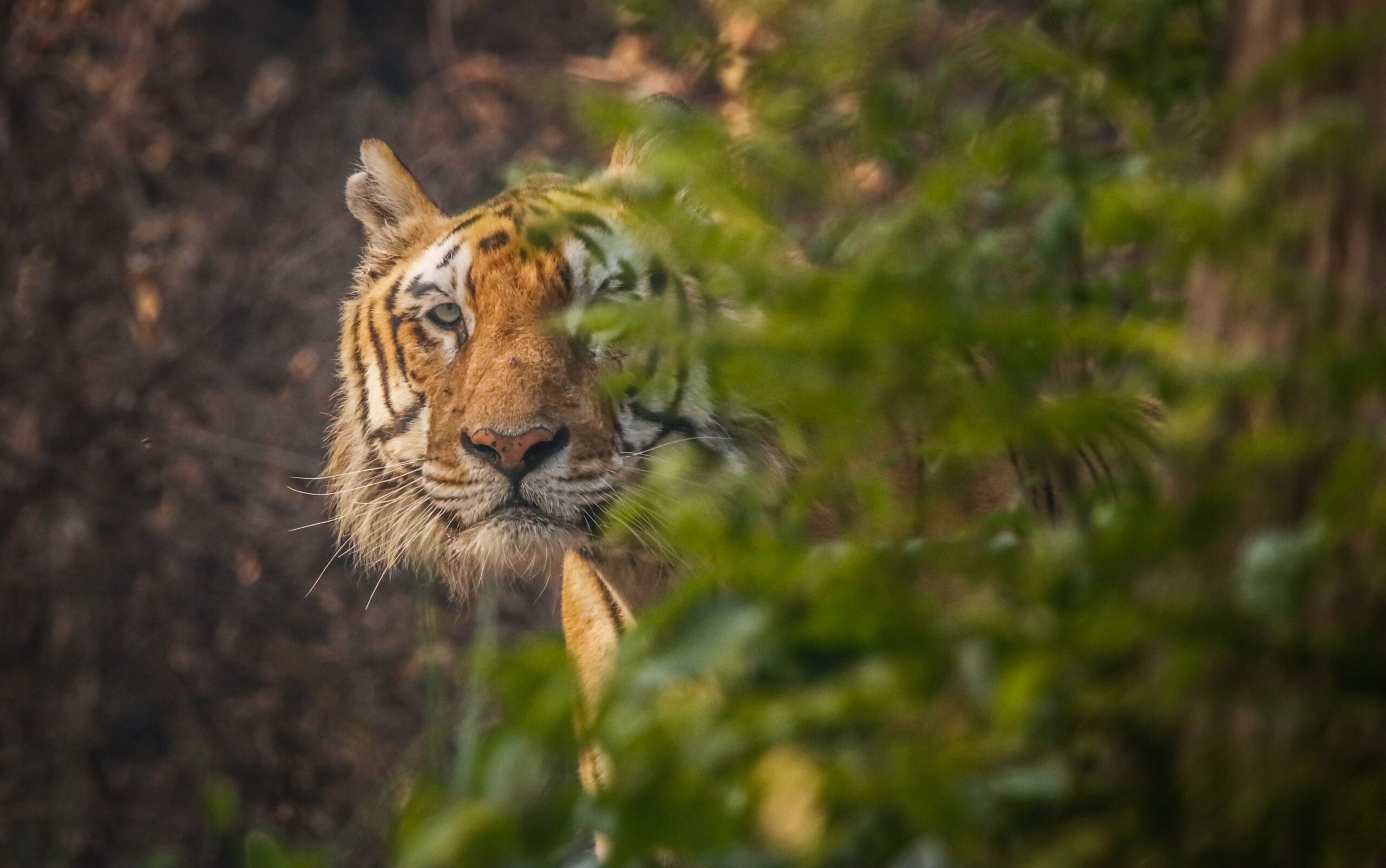
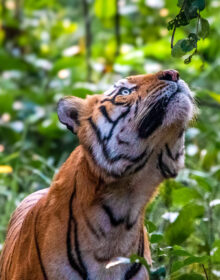
Tiger looking at the camera
Nepal maps
The perfect place to watch

Iconic wildlife species

0
TIGERS
0
RHINOS
400
BIRDS SPECIES
50
ELEPHANTS
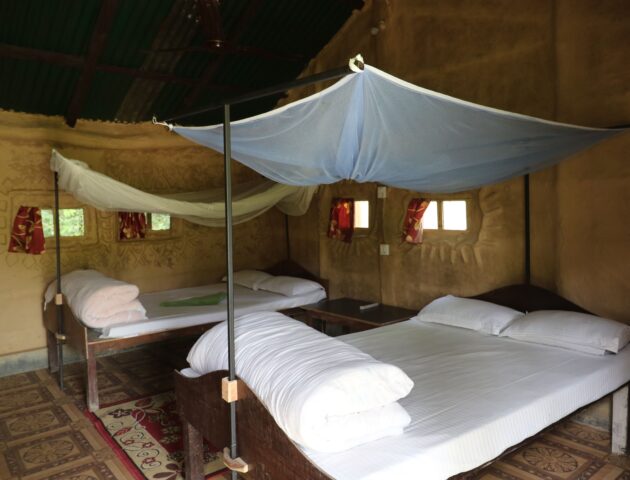
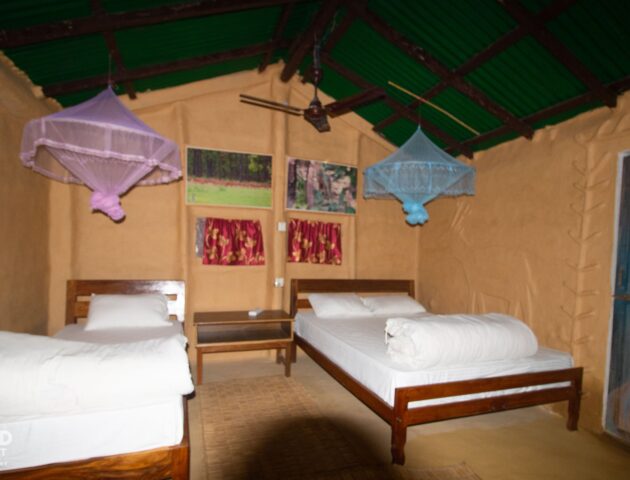
Everything you need right at Home

Featured Facilities

24/7 Security

We take safety seriously through our dedicated team that stands watch.

Free Wifi

All rooms have good high speed Wi-Fi connectivity. watch. 24/7.

Water Policy at Wild Planet Eco Retreat

In our commitment to sustainability, we do not sell plastic water bottles. Instead, we encourage our guests to use the filtered water stations available throughout the retreat. Please bring a reusable bottle, or ask if you need one. Together, let’s reduce plastic waste and protect our beautiful environment. Thank you for helping us make a positive impact

Organic food

We're supporting local farmers to provide local vegetables

Hot shower

Hot water is available 24/7 for your convenience. Enjoy!

best thing to do in Bardia National Park

Things To Do

what visitors looking for

Frequently Asked Question

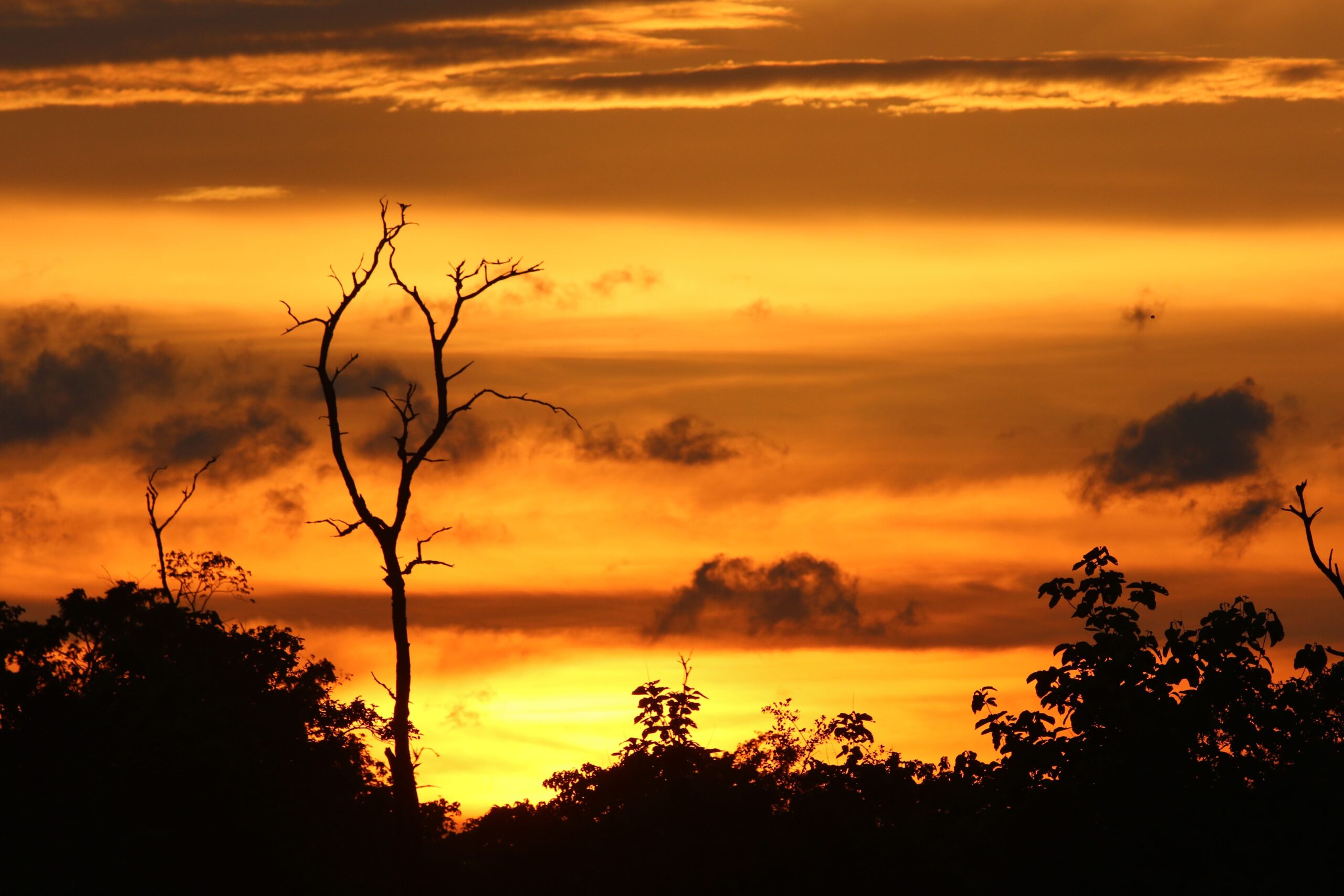
sunset in Bardia National Park
Bardia Bengal Tiger
Bardia Bengal Tiger

A professionally guided walking safari can be conducted safely when visitors follow their guide’s instructions and appropriate wildlife-safety practices. A walking safari is not about approaching animals. It is about moving carefully through the habitat while reading tracks, alarm calls, wind direction, visibility, and animal behavior.

Yes, there is an ATM about 1 km away. We also accept credit card.

  • Sturdy shoes or hiking shoes: Professional hiking boots are not necessary, but you will walk along muddy and rocky paths. I recommend waterproof, closed shoes. If we need to cross a river, you can take off your shoes and carry them to keep them dry.

  • Sunhat, sunscreen, and sunglasses: The sun can be strong when walking through the open savannah. Bring a hat and sunscreen to protect yourself.

  • Anti-mosquito repellent: There are many mosquitoes in Bardiya National Park. We also recommend wearing long sleeve pants to avoid bites. However, you do not need to worry about malaria in these areas—they’re just itchy!

  • Binoculars: Although the guides have their own pairs that they may lend you, bringing your own binoculars will enhance your experience.

  • Green, brown, or grey colored clothes: Neutral-toned clothing helps you blend in with the environment, improving your chances of seeing wildlife. Please avoid bright colors. We recommend bringing thin, long, and lightweight clothes. Long sleeves and pants will help you avoid scratches and itches.

  • Reusable water bottle: We encourage you to bring a reusable bottle to reduce plastic waste. Free refills are available at our resort, and we have a water purification system to ensure your comfort and safety.

We have bicycles for free but no scooters. If you need, we will try to organize a scooter, motorbike or jeep.

  • Remoteness: Bardiya’s remoteness is part of its charm, but it may take a little longer to get here depending on your chosen mode of travel. Tourists can reach Bardiya from Kathmandu and Pokhara by flight or bus with minimal hassle.

  • From Kathmandu:

    • Flight:

      • Flights leave daily from Kathmandu to Nepalgunj airport, with a flight duration of around one hour.
      • From Nepalgunj airport, you can take either a local bus or a private jeep to reach Bardiya.
      • If you choose the local bus, it will take about three hours, and you will hop off at Ambassa (you can search for “Ambassa entry point café” on Google Maps).
      • After leaving the bus, you will need to catch a tuk-tuk to Wild Planet Eco Retreat, which is about 20 minutes from Ambassa.
      • Alternatively, you can hire a private jeep that will pick you up at the airport and take two hours to get you directly to Wild Planet Eco Retreat.
      • If you need help organizing any of these options, please contact us in advance, and we will be more than happy to assist you.
    • Bus:

      • There are no dedicated buses from Kathmandu to Bardiya. Instead, tourists should take a ‘tourist’ or ‘local’ bus heading West (toward Mahendranagar or Dhangadi) along National Highway 1 and request the driver to stop at Ambassa.
      • From Ambassa, you can catch a tuk-tuk to Wild Planet (around 20 minutes).
      • Buses leave from Kathmandu’s main bus park (Gangbou bus park) to Dhangadi and Mahendranagar throughout the day, and the journey may take anywhere between 14-20 hours.
      • We recommend pre-booking a seat on a tourist bus (with A/C) as these are nicer and faster than the local buses.
      • Please contact us if you would like us to book a seat for you.

Bardia National Park is one of Nepal’s best destinations for wild tiger tracking and immersive jungle experiences. It is also home to one-horned rhinoceros, wild elephants, leopards, sloth bears, deer, crocodiles, hundreds of bird species and many other animals. Bardia is particularly special for visitors who want a quieter and more natural wildlife experience away from large tourist crowds.cordion Content

Bardia National Park is located in western Nepal, in Lumbini Province. The main tourism gateway is around Thakurdwara, near the park’s southern entrance. You can reach the park by road from Kathmandu, Pokhara, Lumbini, Butwal, Nepalgunj, and other parts of Nepal.

Bardiya is ideal for travelers seeking authentic wildlife encounters, wild landscapes, and a more peaceful safari experience. Visitors can explore the park by jeep, on foot, and through other nature-based experiences. Bardia is especially attractive to people interested in tigers, wildlife photography, birdwatching and conservation.

Yes. Bardiya is worth visiting for travelers who want to experience Nepal’s wildlife in a relatively quiet environment. The combination of tiger habitat, riverine forest, grassland, walking safari and jeep safari makes Bardia different from a conventional sightseeing destination.

Bardiya National Park covers approximately 968 square kilometers of protected habitat. Its forests, grasslands, river systems, and wetlands provide habitat for a remarkable variety of wildlife.

For a first visit, 3 to 4 nights is a good starting point. This allows enough time to experience more than one type of safari and gives you several opportunities to observe wildlife. Wildlife is unpredictable, so spending additional days can improve your chances of seeing a wider range of animals.

Bardia is generally known for a quieter safari atmosphere than Nepal’s more heavily visited wildlife destinations. This can make the experience particularly enjoyable for travelers who prefer nature, silence and wildlife observation rather than busy tourist areas.

Yes. Bardia is one of Nepal’s important tiger landscapes and offers excellent opportunities to search for wild tigers. Tigers are naturally difficult to see, however, so no responsible guide can guarantee a sighting. Experienced guides use tracks, alarm calls, habitat, water sources and animal behaviour to understand where a tiger may be moving.

Late winter and spring, particularly February to July, are generally considered very good for tiger tracking. As conditions become warmer and drier, wildlife behaviour and visibility can sometimes make tiger searching more productive. September to November can also offer good wildlife opportunities.

Yes. March can be a very good month for tiger tracking in Bardia. The weather is generally becoming warmer, and wildlife activity can provide good opportunities for experienced guides to search for tigers.

Yes. April is often an excellent month for tiger tracking because temperatures are warmer and the forest can provide good conditions for wildlife observation. As always, tiger sightings depend on the individual animal and cannot be guaranteed.

Yes. May can be an excellent month for tiger observation. The increasing heat can influence animals to seek shade and water, sometimes creating interesting opportunities for wildlife tracking. Visitors should be prepared for hot conditions.

Yes. Tigers are present throughout the year. Winter can provide pleasant temperatures for walking and jeep safaris, although tiger visibility varies according to weather, vegetation, prey movements and the individual tiger’s behaviour.

Yes, you can see tigers in Bardia in June. Tigers live in Bardia throughout the year, and June can still offer good opportunities for tiger tracking, particularly during the hotter and drier periods before the full monsoon becomes established. The heat can encourage wildlife to use rivers, water sources and shaded areas. June is also a quieter period for tourism, so visitors who prefer a peaceful wildlife experience may enjoy this time of year.

However, weather conditions can change quickly in June, and the first monsoon rains may affect trails and safari access. Tiger sightings are never guaranteed because tigers are wild animals.

Yes, tigers can still be seen in Bardia in July. The tiger population does not disappear during the monsoon, and experienced guides can still track wildlife when conditions allow. July is a much wetter month than June, with dense green vegetation, high humidity and occasional flooding or difficult road conditions.

The advantage is that there are usually far fewer visitors, creating a very quiet and wild atmosphere. If you enjoy green forests, rain, solitude and authentic wilderness more than guaranteed wildlife visibility, July can offer a very different Bardia experience.

Because July is a core monsoon month, safari routes and walking conditions depend heavily on the weather and current park conditions.

Yes, tigers are present in Bardia during August and tiger tracking is possible when weather and park conditions permit. August is one of the wettest months in Bardia, so wildlife viewing can be more challenging because vegetation is dense and some roads and trails can become difficult.

However, August also offers a very green, quiet and less-touristy side of Bardia. For experienced wildlife travelers who enjoy wilderness, rain and solitude, this can be a fascinating time to visit.

Wildlife sightings are never guaranteed, and activities may need to be adjusted according to rainfall, river levels and park conditions.

Yes—but it depends on what kind of wildlife experience you want.

June can be particularly interesting because it sits between the hot dry season and the main monsoon period. July and August are much wetter, but tigers remain in the landscape and the park becomes exceptionally green and quiet.

For the easiest general wildlife viewing and drier conditions, the late dry season and post-monsoon periods are generally more practical. For travelers who value fewer tourists, green forests, solitude and a more adventurous monsoon experience, June–August can offer something different.

At Wild Planet, we always recommend choosing the season according to your expectations rather than promising a particular animal sighting.

Tiger tracking involves much more than simply searching for an animal. Guides look for footprints, scratches, scent markings, scat, prey remains and other signs. They also observe the behaviour of deer, monkeys and other animals because alarm calls and sudden changes in behaviour can indicate the presence of a predator.

Possible signs include fresh footprints, territorial markings, scratches, scat, scent-marking behaviour and prey remains. Alarm calls from deer, langurs and other animals can also provide important clues. Experienced guides combine several signs rather than relying on one clue.

No. Tigers are wild animals and their movements cannot be controlled. A responsible safari operator should never promise a guaranteed tiger sighting. The goal should be to understand and observe the forest responsibly, whether or not a tiger appears.

A jungle walk is a slow and immersive way to experience Bardia. Instead of travelling quickly through the forest, you move quietly with an experienced guide and learn to recognize animal tracks, calls, plants, habitat and other signs of wildlife. You may encounter deer, monkeys, birds, rhinos and, with luck, signs of larger predators.

The duration depends on the chosen program. A short walk can be combined with other activities, while a full-day jungle walk provides much more time for wildlife tracking and exploration. Full-day experiences normally include breaks and a packed lunch.

Wear comfortable, lightweight clothing suitable for walking, preferably in natural or muted colours. Comfortable closed shoes, a hat and sun protection are recommended. During some seasons, long trousers and clothing that provides protection from insects and vegetation are useful.

Bring drinking water, sun protection, comfortable footwear, a hat, binoculars if you have them, and a camera if you enjoy photography. Your guide can advise you about additional equipment according to the season and the day’s conditions

Yes. Walking can provide excellent opportunities for wildlife photography, particularly for animal behaviour, birds, tracks and the surrounding habitat. Photography should always be done without approaching, chasing or disturbing wildlife.

Your guide will assess the situation and direct the group. Visitors should remain calm, stay together and follow the guide’s instructions. A walking safari is based on maintaining appropriate distance and respecting the animal’s space—not trying to get closer for a photograph.

A jeep safari allows visitors to travel deeper into the park and explore forests, grasslands and river areas that may be difficult to cover on foot. It is an excellent way to search for larger wildlife such as tigers, rhinoceros, deer, wild elephants and other species.

Jeep safari options can range from shorter excursions to full-day wildlife experiences. A full-day safari gives you more time to explore different habitats and search for wildlife during changing periods of animal activity.

For wildlife enthusiasts, a full-day jeep safari can be very worthwhile. More time in the park means more opportunities to explore different habitats and observe wildlife behaviour. It also allows guides greater flexibility when tracking animals.

Yes. Private jeep safaris can be arranged for visitors who want more flexibility and a more personalized wildlife experience. This can be particularly useful for photographers, families, and travelers with specific wildlife interests.

Neither is universally better—they offer different experiences. A jeep safari covers more ground and is useful for exploring large areas, while walking provides a much more intimate connection with the forest. For a deeper Bardia experience, combining walking safari and jeep safari is an excellent option.

Bardia supports a diverse range of wildlife,  61 different species of mammals, including Bengal tigers, one-horned rhinoceros, wild elephants, leopards, sloth bears, deer, wild boar, crocodiles, monkeys, and more than 500 species of birds and 48 species of reptiles.

Yes. The greater one-horned rhinoceros is one of Bardia’s important large mammals. Rhinos are most often associated with suitable grassland, forest, and wetland habitats within and around the park.

Yes. Wild Asian elephants occur in the Bardia landscape. Seeing wild elephants is a memorable experience, but their movements are unpredictable and visitors should always maintain a safe distance and follow their guide’s instructions.

Yes. Leopards occur in Bardia, although they are generally much harder to see than more commonly observed wildlife. Their secretive and largely nocturnal behaviour makes a sighting special.

Yes. Sloth bears and Himalayan black bears are among the fascinating mammals found in Bardia.

 Bardia supports five different species of deer, including spotted deer, hog deer, sambar deer, barking deer, and swamp deer. Deer are important prey for large carnivores, and their behaviour can also provide clues about predator activity.

Yes.  two different species of Crocodiles can be found around the Karnali and Babai rivers and wetlands. Gharial crocodiles and mugger crocodiles. River areas provide important habitat for reptiles as well as birds and other wildlife.

Yes, freshwater dolphins can occur in the Karnali River system associated with the Bardia landscape. Sightings depend strongly on river conditions, water levels, and season, so they should never be guaranteed.

Read our blog

Recent Post

5 top National park in Nepal to spot tiger: why bardia national park stands out.

Nepal is one of the leading countries in tiger conservation, with its protected areas offering thrilling opportunities to spot these magnificent big cats. Among the various national parks, Bardia National…

Bardia National Park Safari Guide 2026: Tigers, Cost, Best Time & 5-Day Itinerary in Nepal

Discover Bardia National Park in Nepal: best time for tiger safari, cost, itinerary, and wildlife guide. Plan your 3–5 day jungle safari with expert local guides and high tiger sighting…
Royal Bengal tiger in Bardia National Park feeding on a spotted deer kill during a wildlife safari in Nepal.